
The Ultimate Guide to Finding Reliable Used Tires for Under $25
Searching for "$25 used tires near me cheap" can feel like a treasure hunt. While finding a high-quality, safe tire for this price is challenging, it's not impossible. This guide will walk you through where to look and how to inspect a tire like a pro, ensuring you get a reliable product without compromising safety.
The Short Answer
Yes, you can find used tires for under $25, but safety is paramount. Your best sources are local independent tire shops ("llanteras") and auto salvage yards . The most critical step is to perform a thorough personal inspection, checking the tread depth, date code, and sidewall condition before buying.
The Problem: Cost vs. Safety
New tires are a significant investment. Used tires offer a compelling alternative, but they come with inherent risks. A bad used tire isn't just a waste of money; it's a serious safety hazard that can lead to blowouts. The challenge is finding that sweet spot: a tire that is both incredibly affordable and reliably safe.
Your Action Plan: Finding a Safe, Sub-$25 Tire
Step 1: Where to Hunt for Bargain Tires
Finding tires at this price point means going beyond big-name retailers. First, know your exact tire size (e.g., P225/60R17) from the sidewall of your current tires.
- Local Independent Tire Shops: This is your best bet. Small, local tire repair shops often have a huge inventory of used tires. Call ahead with your size and ask for their cheapest "cash price."
- Junkyards and Auto Salvage Yards: Places like Pick-n-Pull are goldmines for cheap tires. You'll likely have to remove the tire from the wheel yourself, but this is where the absolute lowest prices are found.
- Craigslist and Facebook Marketplace: Private sellers often list tires after upgrading. Deals can be found, but the inspection is even more critical as there's no shop behind the sale. Meet in a safe, public place.
Step 2: The Professional Inspection Checklist (Non-Negotiable)
Once you've found a potential tire, you must inspect it carefully. This is what separates a good deal from a dangerous mistake. Bring a penny and a flashlight.
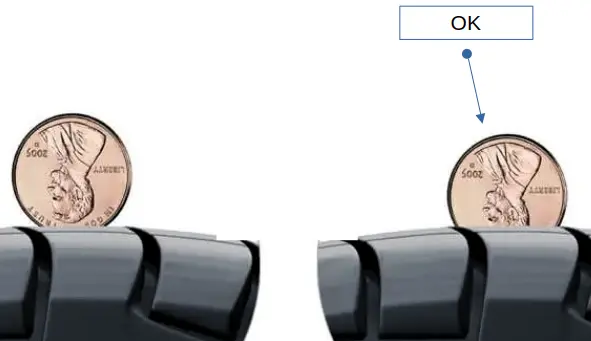
- Check the Tread Depth (The Penny Test): Stick a penny into the tread with Lincoln's head upside down. If you can see the top of Lincoln's head, the tread is too worn (below 2/32"), and the tire is unsafe. Pass on it immediately. The tread should cover at least part of his forehead.
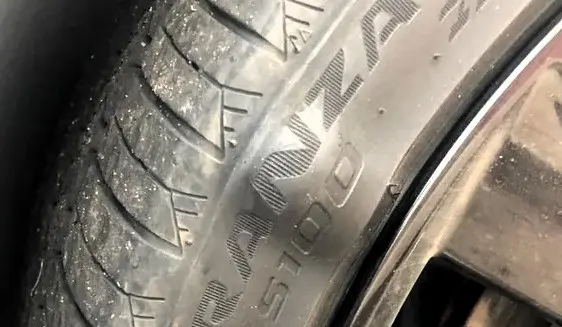
- Examine the Sidewalls for Damage: Run your hands over the entire inner and outer sidewall. Look and feel for cracks, cuts, or any bubbles/bulges. A bubble is a sign of internal damage and a major blowout risk. Never buy a tire with sidewall damage.
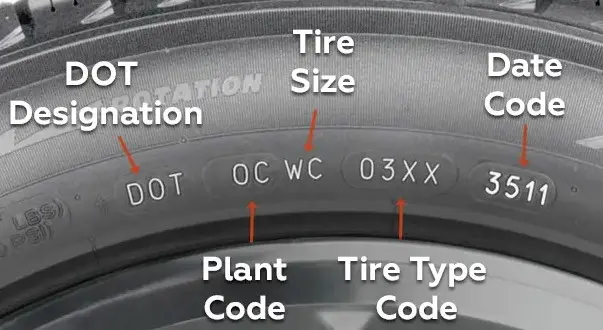
- Check the Date Code for Age: Find the DOT code on the sidewall. The last four digits are the week and year of manufacture (e.g., "3521" is the 35th week of 2021). As a rule, avoid tires that are more than 6 years old , as the rubber can become brittle, regardless of tread depth.
- Look for Plugs and Patches: Check the inside of the tire (if it's off the rim) and the tread for signs of repair. A professionally installed patch on the inside is generally okay if it's not near the sidewall. A simple "plug" pushed in from the outside is a less reliable repair. Multiple plugs are a red flag.


Pro-Tip: Don't Forget Installation Costs!
A $25 tire isn't a deal if the shop charges you another $30 to mount and balance it. When you call a local shop, ask for the "all-in" or "out-the-door" price that includes installation. This gives you the true cost and avoids surprises.
Frequently Asked Questions
Is it safe to buy used tires?
It can be, but only if you perform a thorough inspection. A high-quality used tire with plenty of tread and no damage is much safer than a bald new tire. The risk comes from buying a tire without checking for the safety issues outlined in the checklist above.
Can I buy just one used tire?
Yes. In fact, it's often easier to find single used tires than a full set. Small, independent tire shops are the best source for single tires to replace one that's been damaged.
What's a good tread depth for a used tire?
While 2/32" is the legal minimum in most places, you should look for a used tire with at least 6/32" of tread remaining. This provides a good balance of value and longevity.
Conclusion: Smart Shopping Makes it Possible
Finding a reliable used tire for under $25 requires more effort than buying new, but it's an achievable goal. By focusing your search on the right places and dedicating a few minutes to a thorough inspection, you can save a significant amount of money while ensuring your vehicle remains safe on the road. Use this guide as your checklist, trust your inspection, and don't be afraid to walk away from any tire that doesn't meet these critical safety criteria.
Community Discussion
Have questions or insights about this guide? Join the conversation below using your GitHub account.